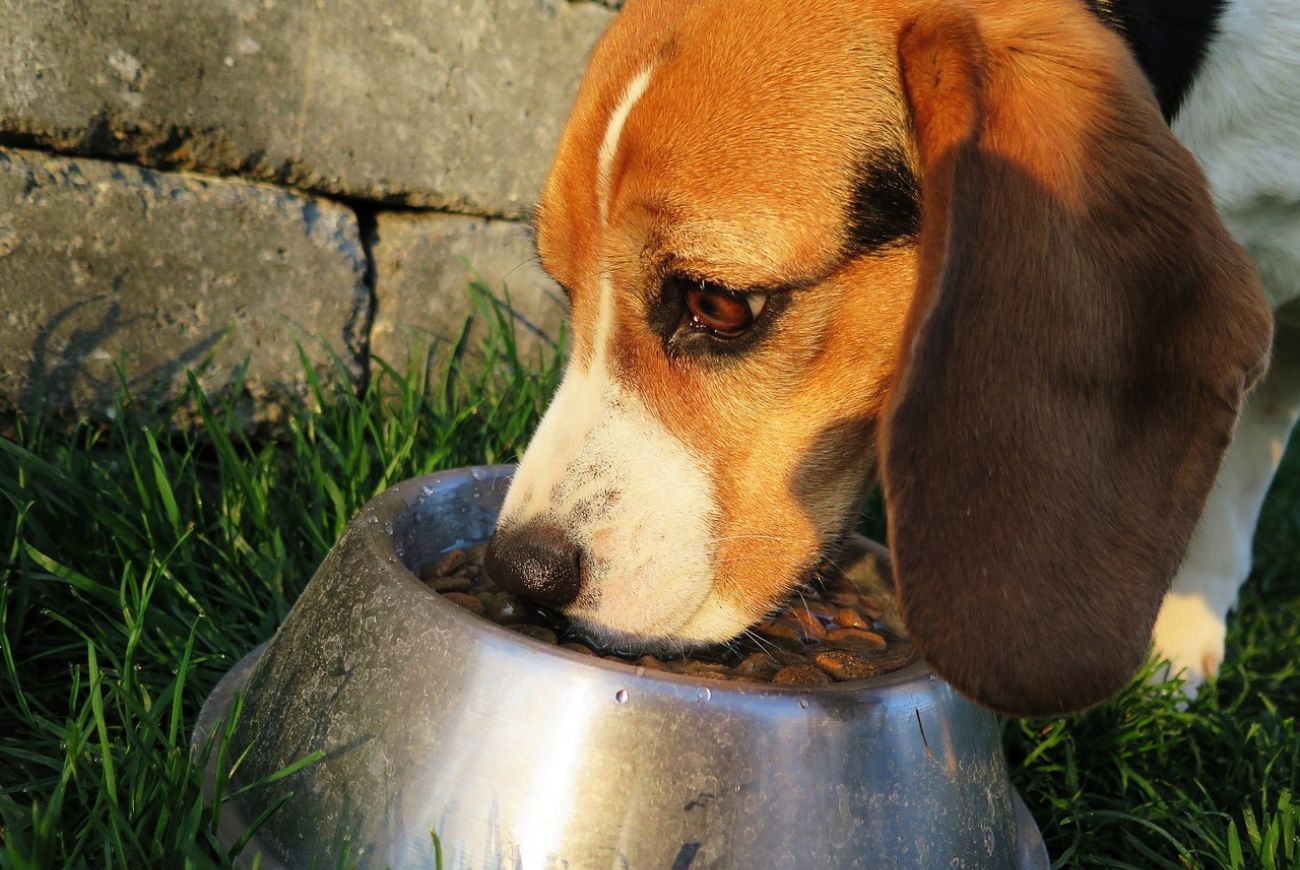
10 Warning Signs Your Pet’s Food Bowl Is Dangerous
Let’s talk about something that might make you squirm – your pet’s food bowl. As a devoted pet parent who’s logged countless hours researching pet safety (and yes, occasionally falling down late-night veterinary research rabbit holes), I’ve discovered something disturbing: That innocent-looking dish in your kitchen could be a hidden health hazard. Here’s what you need to know about the dangers lurking in your pet’s dining area, and more importantly, what to do about them.
1. The Dreaded Slime Layer
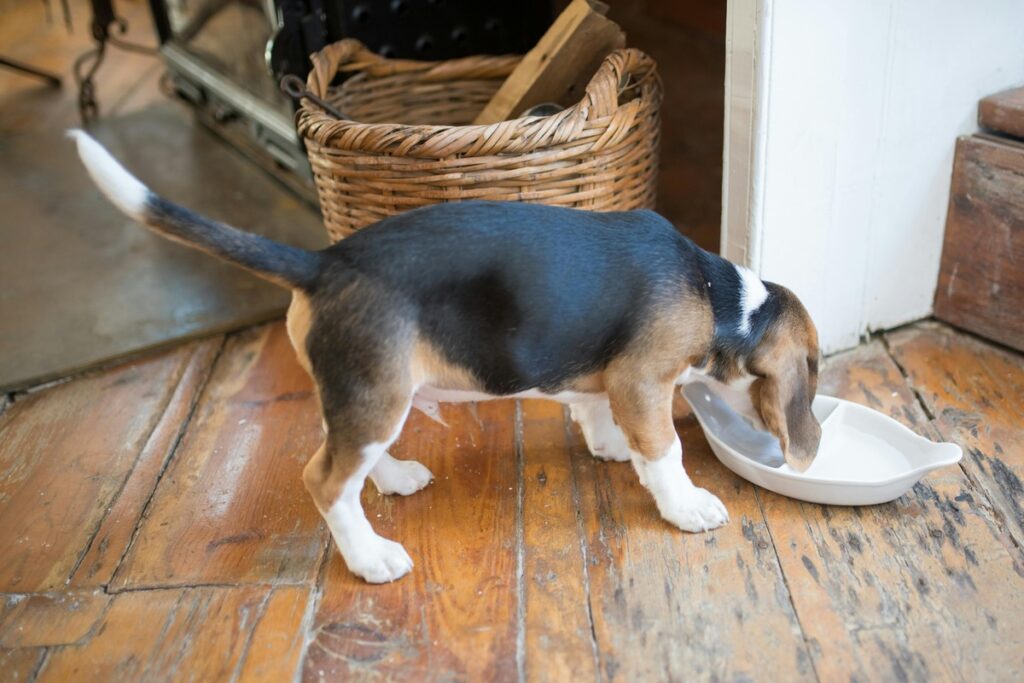
Ever run your finger along your pet’s bowl and feel that weird, slick coating? That’s not just water or leftover drool – it’s a bacterial party you definitely didn’t RSVP to. We’re talking about a biofilm that can house nasty characters like E. coli and Salmonella. And before you say “but I only feed dry food!” – sorry, but kibble plus saliva still equals bacteria heaven.
2. Face-Pawing After Meals
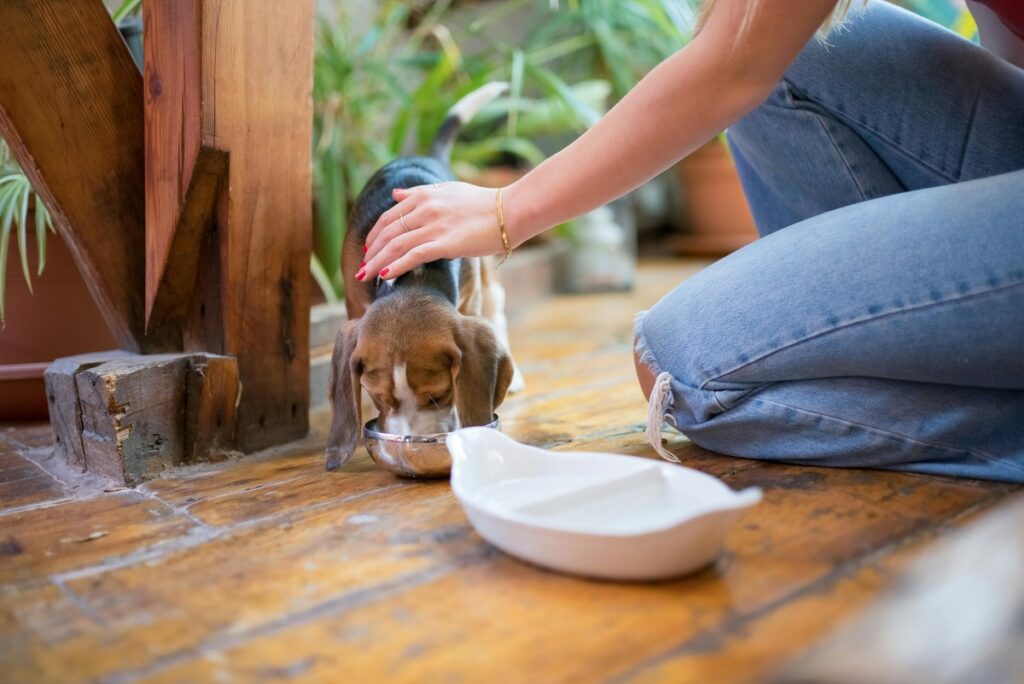
Notice your furry friend doing the post-meal face scratch dance? Your pet’s bowl might be the unexpected choreographer. Those cheap plastic bowls, especially when scratched up, can trigger what vets call “plastic dish dermatitis” – basically, an allergic reaction that makes your pet’s face itchier than a sweater full of fleas.
3. Battle-Scarred Bowls
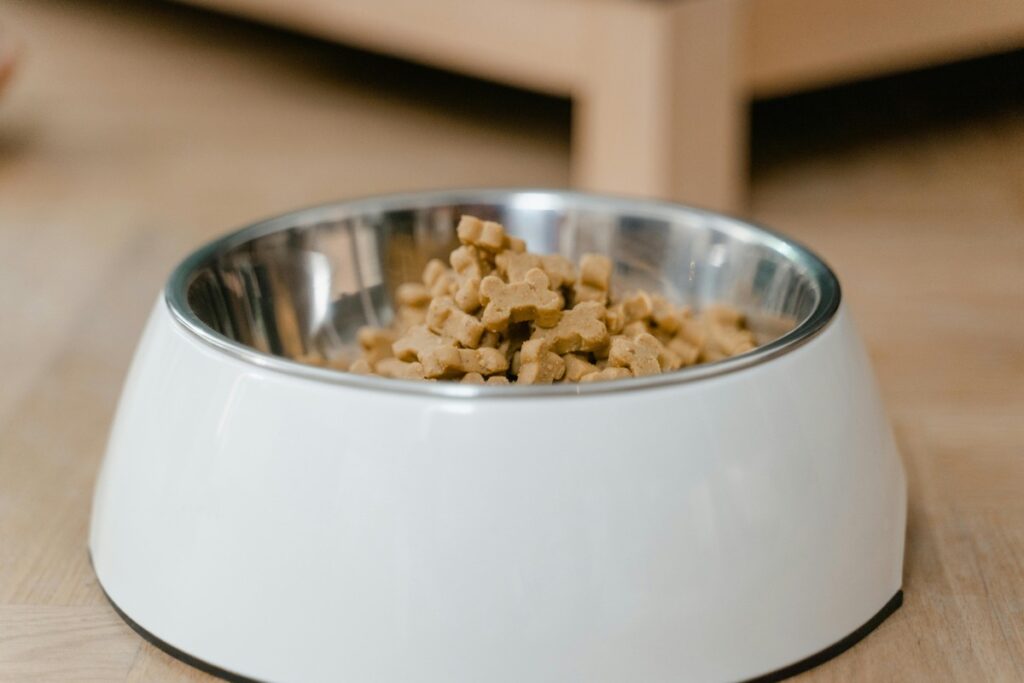
Think those scratches and chips are just character marks? Think again. These tiny trenches are like five-star hotels for bacteria, and in ceramic bowls, those chips might be serving up a side of bowl fragments with dinner. Pro tip: If your fingernail catches on any grooves, it’s time to go bowl shopping.
4. The Smell That Won’t Quit
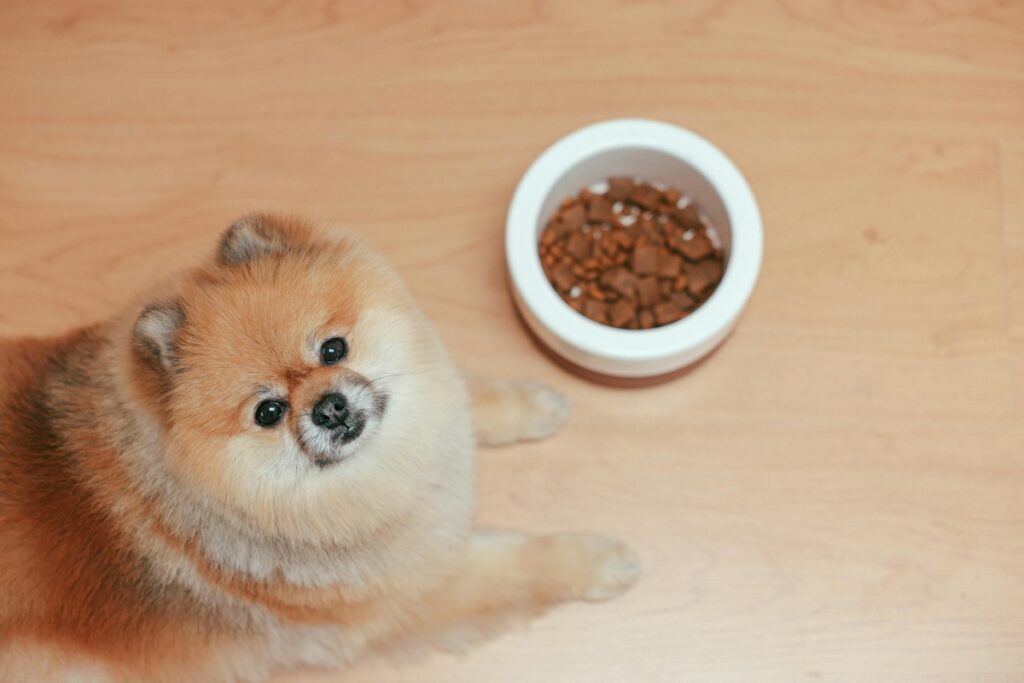
When your pet’s bowl smells funky even after a thorough wash, you’ve got trouble. That persistent odor means bacteria have basically signed a long-term lease in the bowl’s material. If it smells musty or like something died in there right after washing, don’t walk – run to get a replacement.
5. Suddenly Picky Eaters
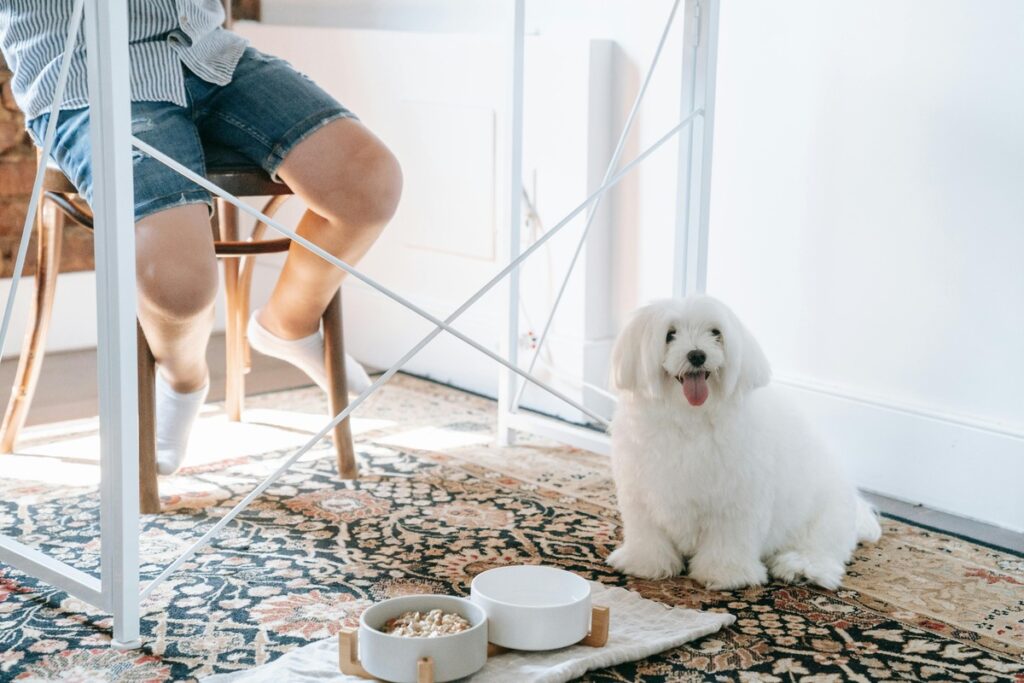
Here’s something wild – your pet’s nose is way better than yours. Like, thousands of times better. So when your normally food-obsessed buddy suddenly turns their nose up at dinner, they might be picking up on something you can’t. Trust their super-sniffer – it could be detecting bacterial growth or chemical leaching from damaged bowls.
6. Texture Troubles
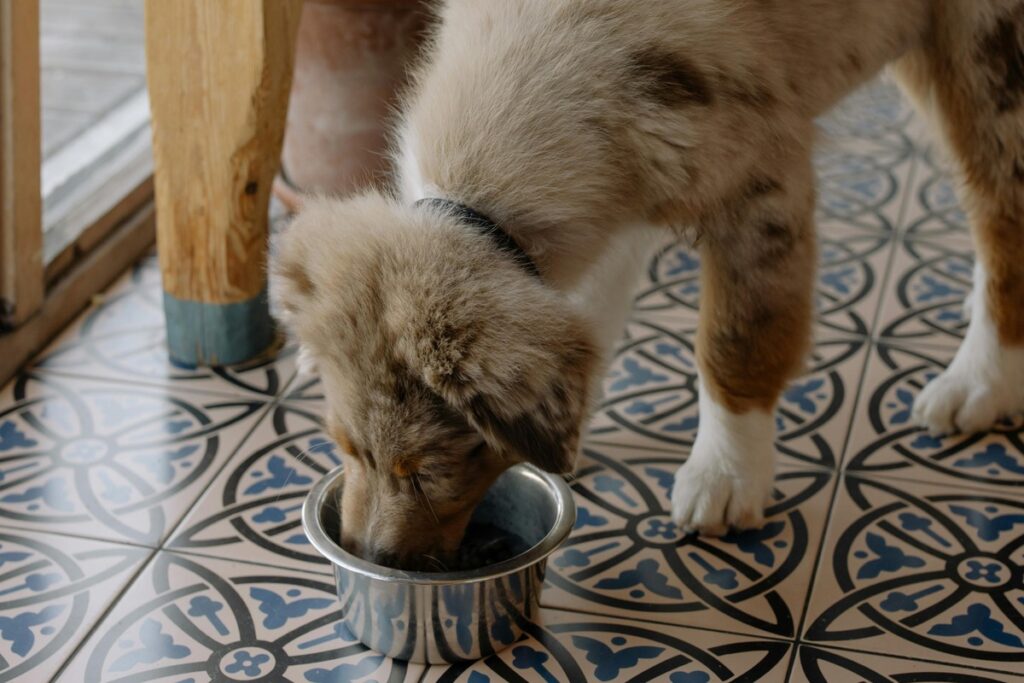
Quality pet bowls should feel smooth as a baby’s bottom. If yours feels like sandpaper or has a weird texture, you’re basically running a bacteria bed & breakfast. This is super common in bargain-bin ceramic bowls or plastic ones that have survived one too many hot dishwasher cycles.
7. The Pink Slime Situation
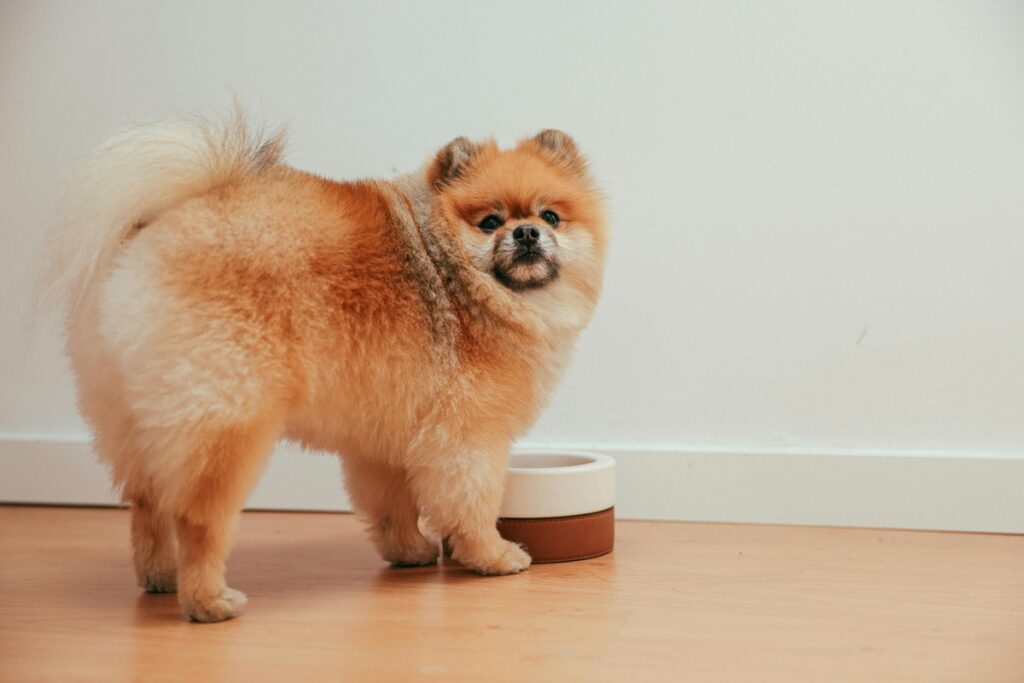
Spotted a pink or orange film in the water bowl? That’s probably Serratia marcescens, a bacteria that loves hanging out in damp spots. While it’s not usually an immediate emergency, it’s definitely a red flag that your cleaning game needs leveling up.
8. The One-Year Rule
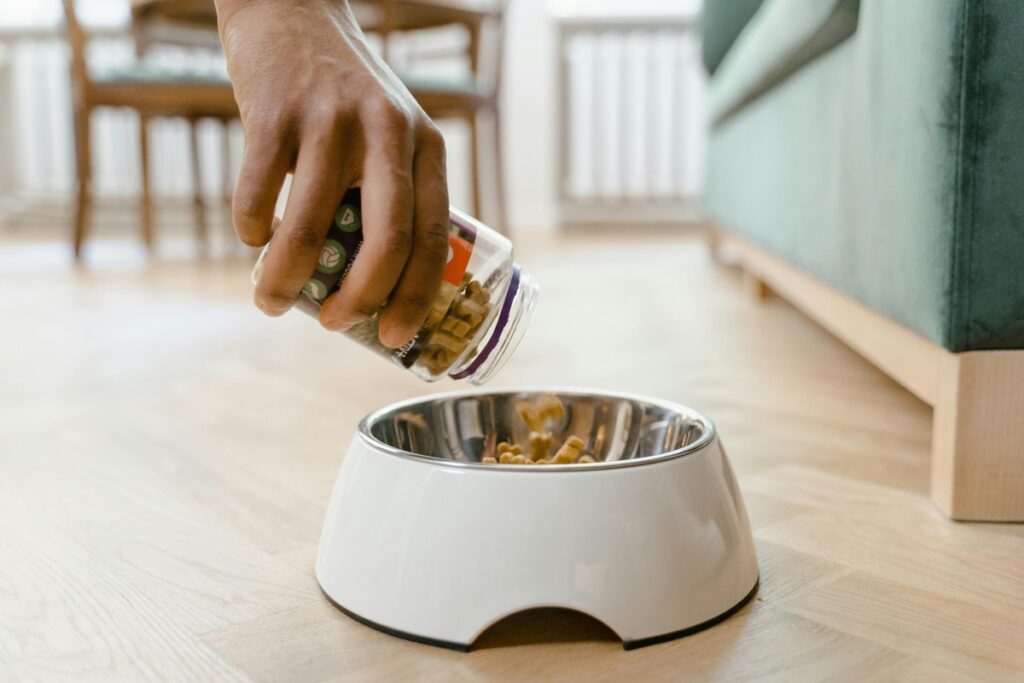
Even the fanciest bowls have an expiration date. After about a year of daily use, most bowls develop microscopic damage that turns them into germ condos. This is especially true for plastic bowls, which can start leaching chemicals faster than a cheap raincoat in a thunderstorm.
9. The Chin Acne Mystery
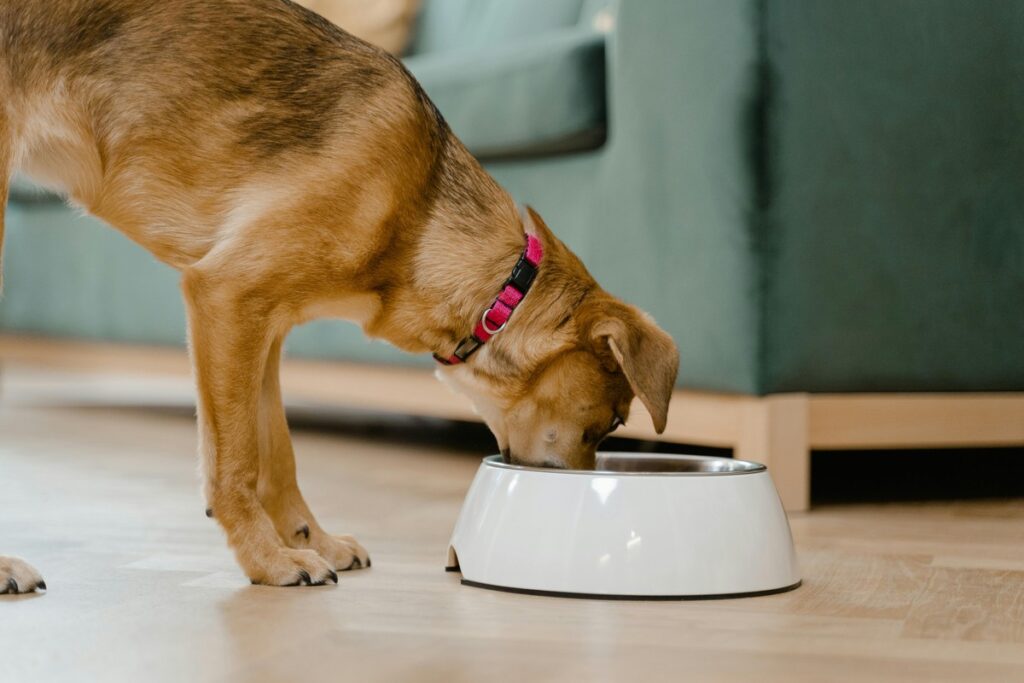
If your pet’s sporting some stubborn chin acne (especially common in cats but dogs get it too), their food bowl might be the culprit. Think about it – their chin constantly touches that bacteria-laden surface. Those little black spots or bumps? They might as well be your bowl’s signature.
10. The Bowl Ballet
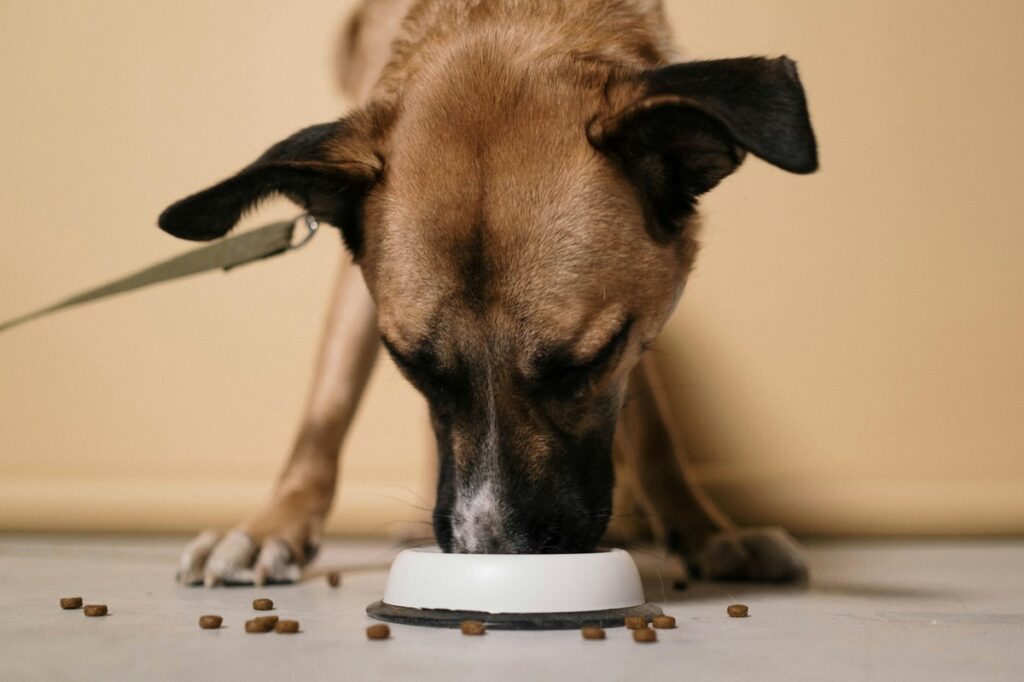
A bowl that slides around during mealtime isn’t just annoying – it’s creating a perfect storm for bacterial growth. Those spills and splashes under and around the bowl? They’re basically building a bacteria water park on your floor. Plus, all that movement stresses out your pet when they should be enjoying their meal.
The Fix? It’s Actually Pretty Simple
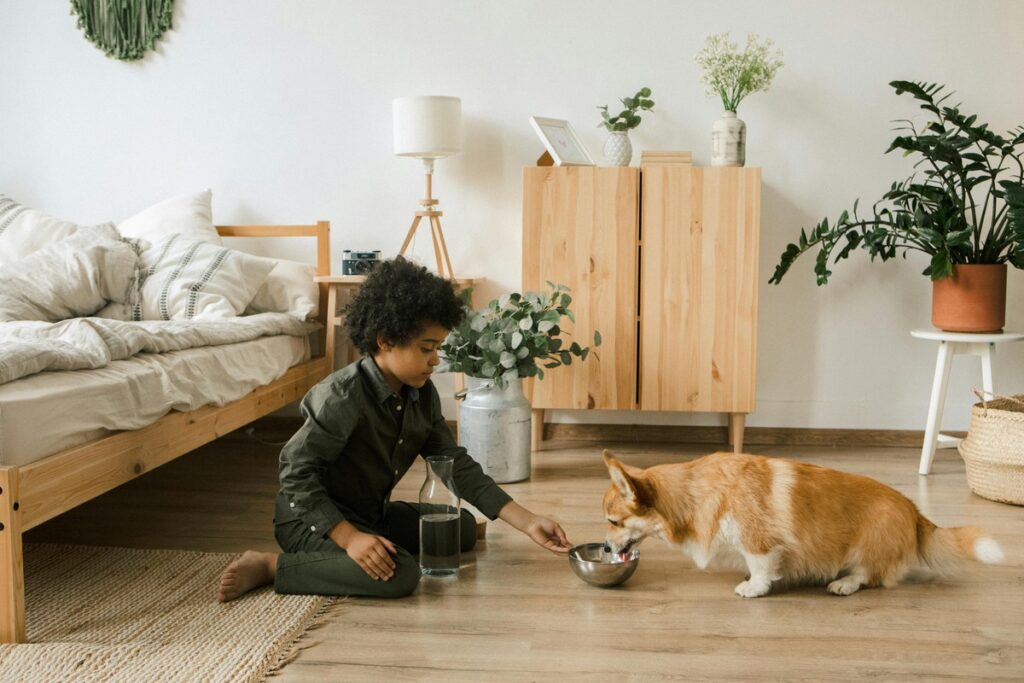
Don’t panic – these issues are totally preventable. Here’s your action plan:
- Invest in high-quality stainless steel bowls. They’re naturally antimicrobial and tough as nails.
- Set up a daily cleaning routine using pet-safe soap. Yes, daily – would you eat from the same unwashed plate for a week?
- Replace bowls at the first sign of wear and tear. Consider it a small price for your pet’s health.
- Use non-slip mats under bowls to prevent the dinner dance.
Remember, your pet’s food bowl isn’t just a dish – it’s basically their personal restaurant. Keep it clean, keep it quality, and keep an eye out for these warning signs. Your furry friend’s health is worth the extra attention, and trust me, they’ll thank you with years of happy, healthy mealtimes.