
14 Signs Your Cat Might Be Plotting to Run Away
Cats may seem content lounging on windowsills or curling up in cozy spots, but that doesn’t mean they’re always happy staying indoors. Some cats have a strong desire to explore the outside world, and if they feel restless, stressed, or simply curious, they might start looking for ways to escape.
While some cats are naturally more independent, others may feel trapped, anxious, or under-stimulated, prompting them to seek a way out. Here are 14 warning signs that your cat might be plotting to run away—and how you can prevent them from making a grand escape.
1. Constantly Sitting by Doors and Windows
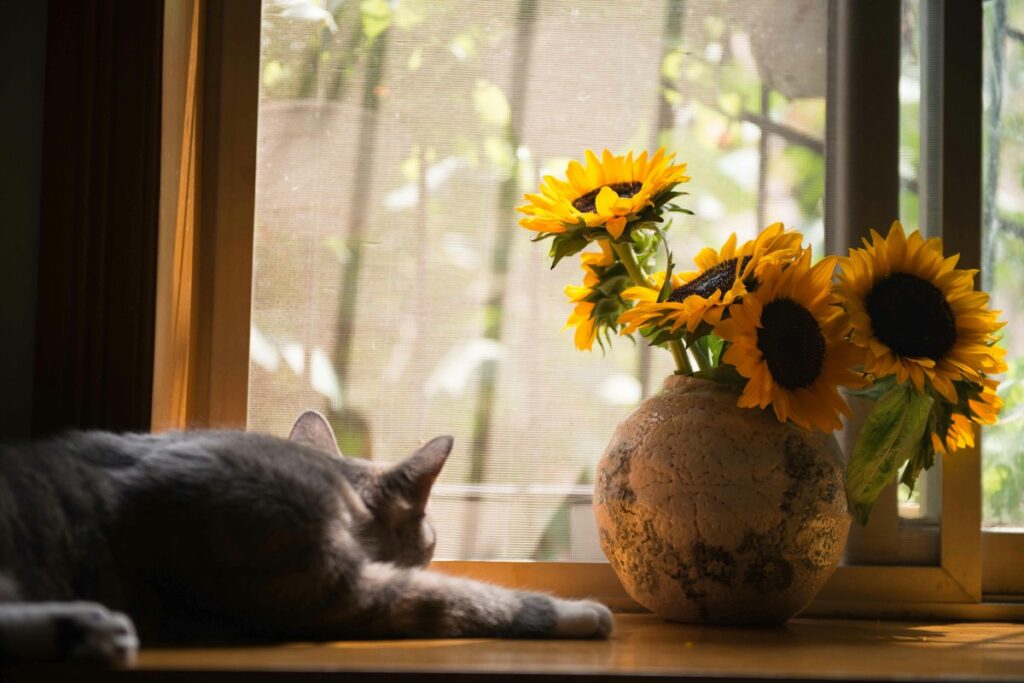
If your cat stares longingly out the window, paws at the door, or tries to squeeze through small gaps, they might be feeling a strong urge to escape.
This behavior is especially common in cats who have experienced the outdoors before. Installing window perches and bird feeders outside can help satisfy their curiosity without letting them outside.
2. Darting for the Door Whenever It Opens
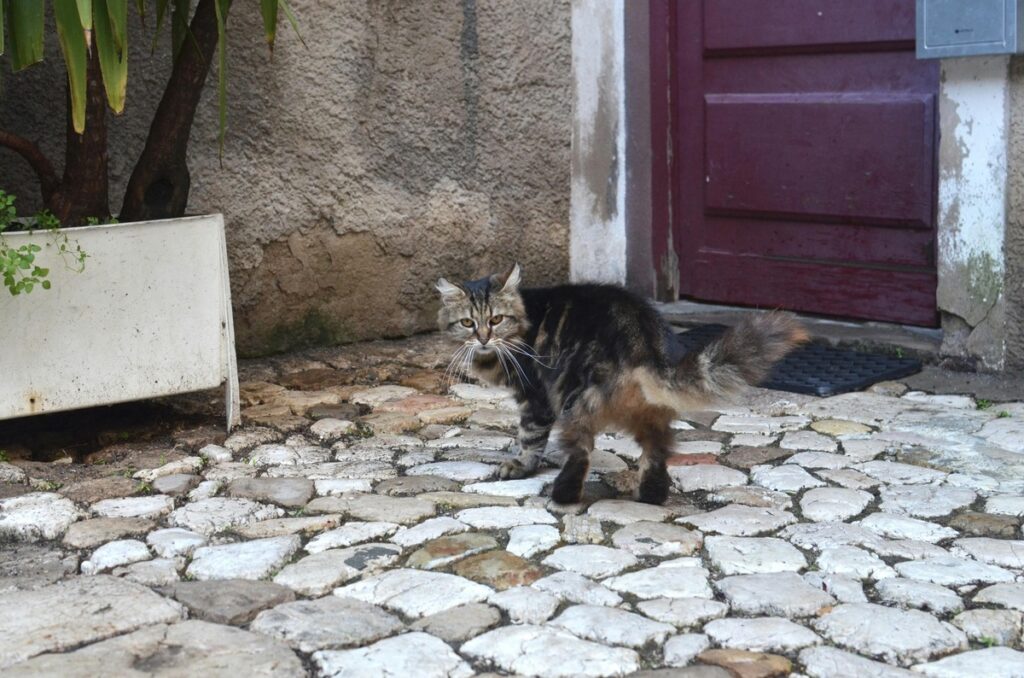
Does your cat make a break for it the moment you open the door? If they lunge forward, try to slip past your feet, or bolt when given the chance, they could be actively waiting for the right moment to escape.
To prevent this, practice distraction techniques, such as tossing a treat in the opposite direction before opening the door. Baby gates or double-door entries can also help create a buffer zone.
3. Meowing Excessively Near Exits
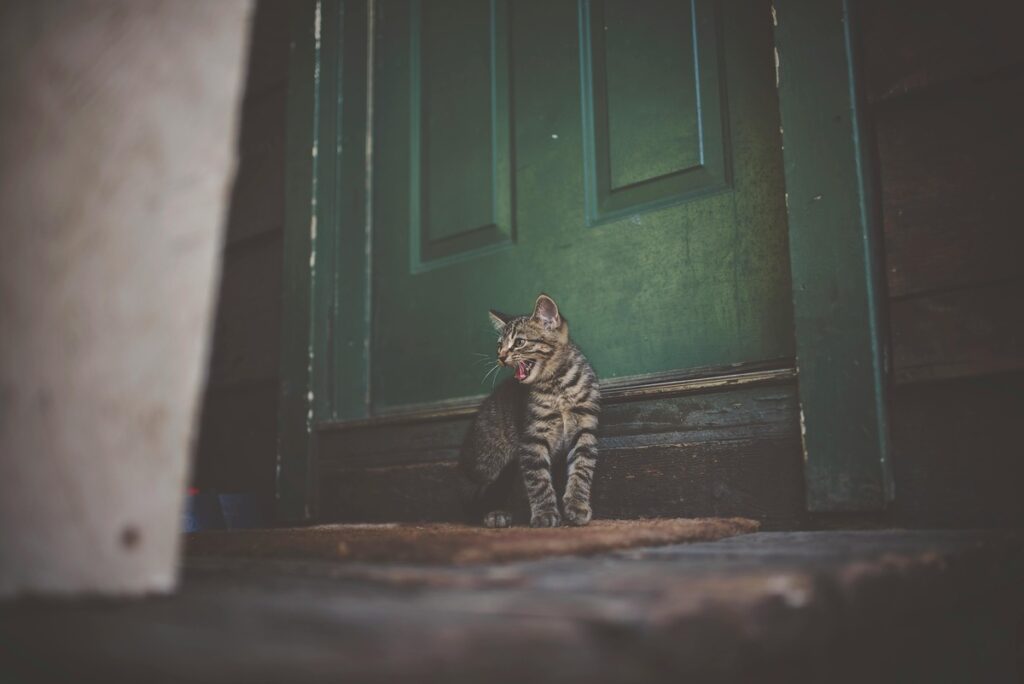
Some cats vocalize when they want attention, food, or play, but if your cat meows or yowls excessively near doors or windows, they may be frustrated with being indoors.
Offering more stimulation, interactive toys, and climbing structures can help ease their restlessness and make home a more appealing place to stay.
4. Scratching at Windows and Doors
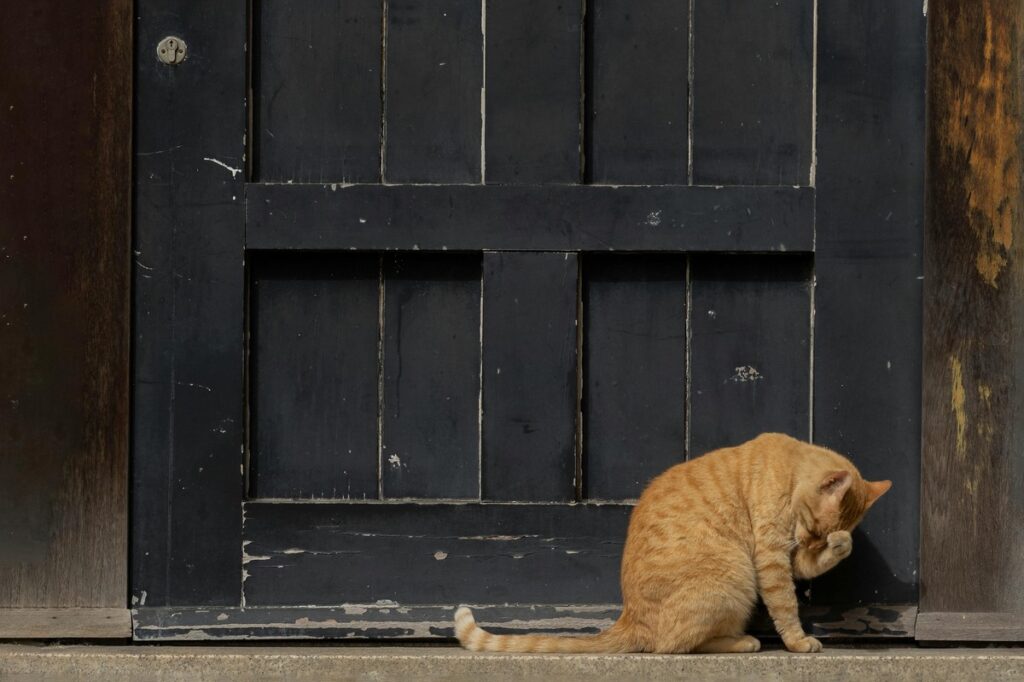
If your cat claws, scratches, or bites at doors and window screens, they might be testing their exit strategy.
To curb this behavior, provide a sturdy scratching post near their favorite exit and reward them for using it. Reinforcing windows and screens can also prevent accidental escapes.
5. Sudden Increase in Energy and Restlessness

A cat that’s planning to run away might display bursts of hyperactivity, racing around the house or acting more agitated than usual.
This could mean they have excess pent-up energy. Engaging in daily play sessions with wand toys, laser pointers, or puzzle feeders can help wear them out and make them less likely to seek adventure outside.
6. Ignoring Litter Box Training
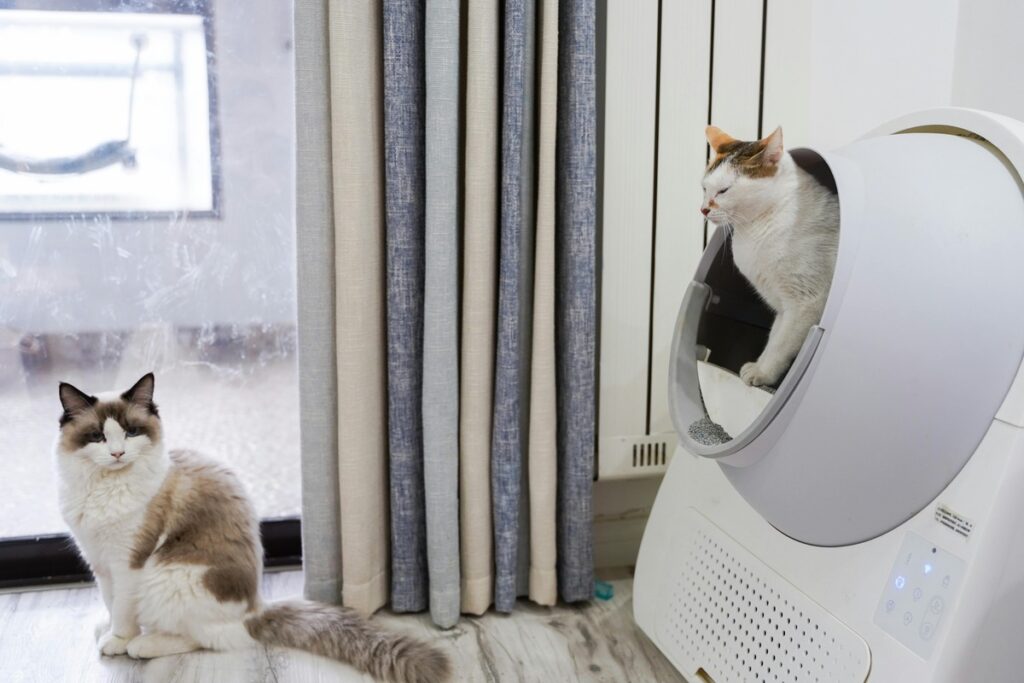
If your cat suddenly starts eliminating outside the litter box, they may be marking territory as a way of claiming new ground or showing distress about their current space.
Make sure their litter box is clean, in a quiet location, and free of stressors. If the behavior persists, a vet visit may be necessary to rule out medical issues.
7. Rubbing Against Outdoor Items More Than Usual
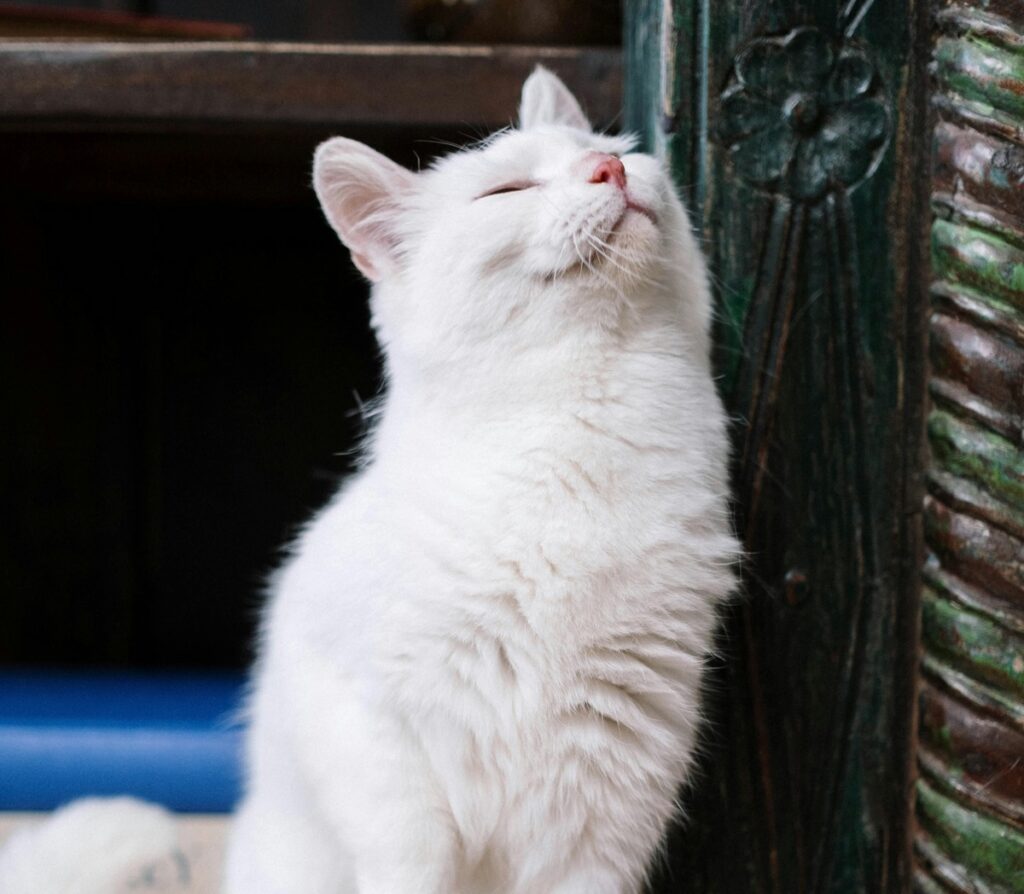
Cats rub their faces on furniture and walls to mark their territory, but if they focus on doors, window sills, or outdoor objects, they may be mentally claiming the space beyond and preparing to expand their territory.
Encourage indoor territorial confidence by providing cat trees, climbing shelves, and cozy hiding spots so they feel secure in their current environment.
8. Not Showing Interest in Toys or Playtime
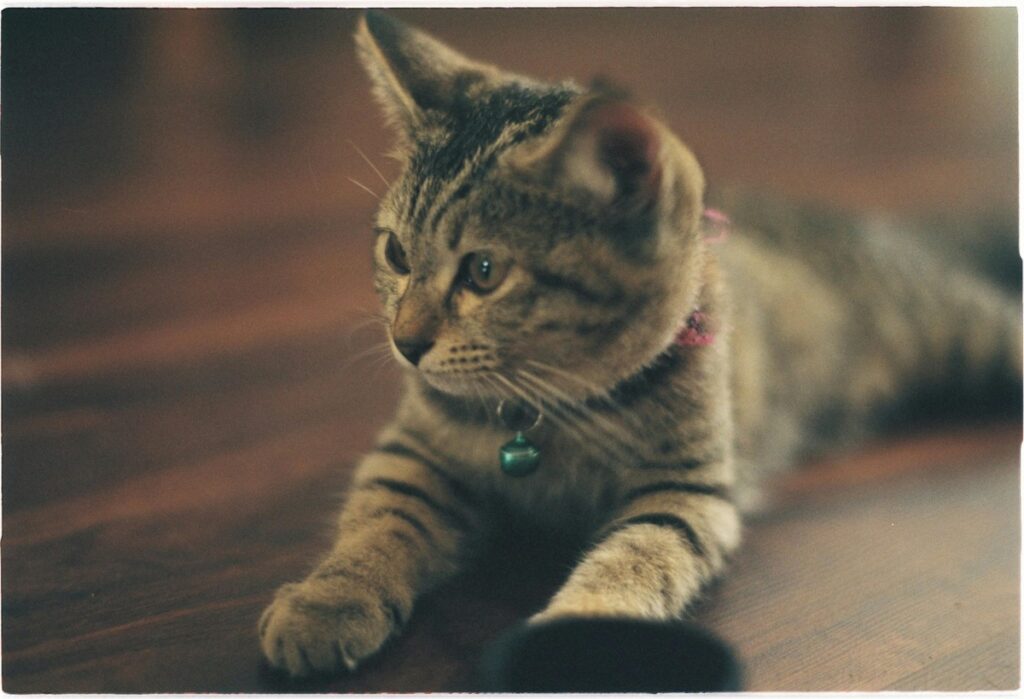
A cat who is bored and uninterested in their indoor environment may start seeking excitement elsewhere. If they no longer engage in play or enrichment activities, they may be longing for a bigger, more stimulating world outside.
Introduce new interactive toys, hide treats around the house, or set up cat-friendly TV channels with birds and fish to reignite their interest in their home environment.
9. Becoming More Territorial or Aggressive
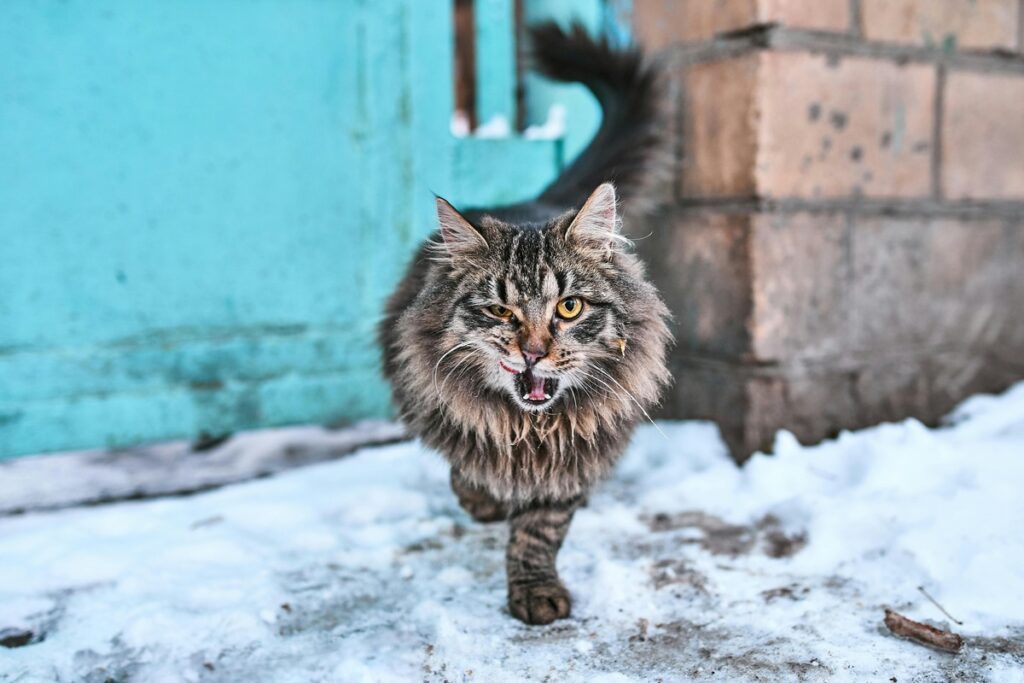
If your cat suddenly becomes more possessive of spaces, guards food, or gets aggressive with other pets, they may be feeling cramped and looking for a new territory.
Providing separate spaces, extra perches, and rotating toys can help reduce stress and prevent territorial disputes that might drive them to escape.
10. Bringing Objects to the Door
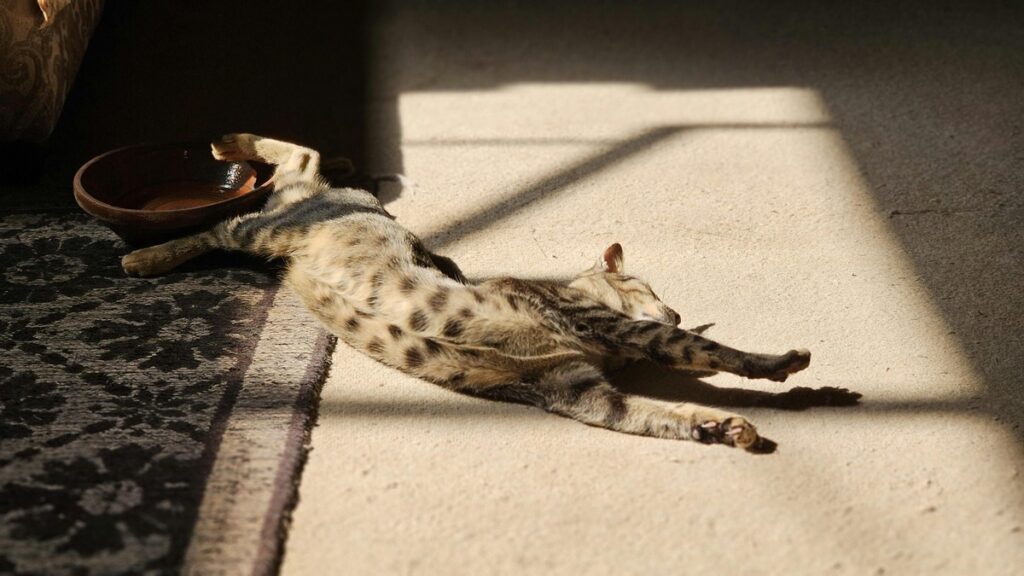
Some cats exhibit strange behaviors, such as bringing toys, blankets, or random objects to doors and windows. This could be an instinctual way of preparing for a journey or an attempt to gain attention for their needs.
If you notice this behavior, try redirecting their focus with a new activity or providing a controlled outdoor experience like a catio or leash training.
11. Staring Intensely at the Outdoors for Long Periods
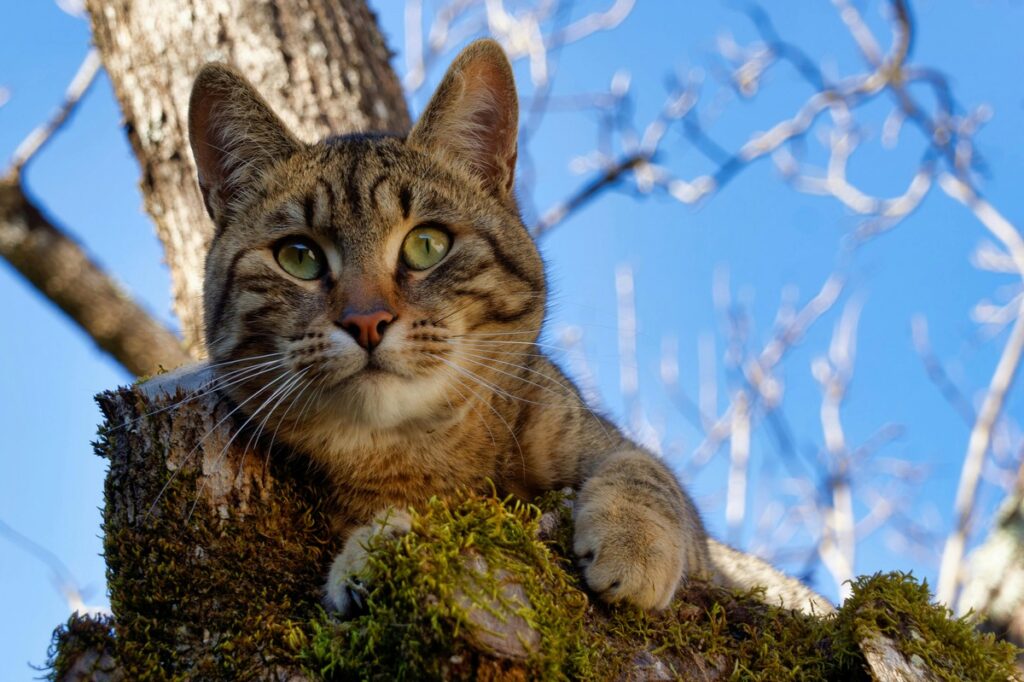
A cat that sits by a window or door for hours watching birds, squirrels, or the outside world might be dreaming of adventure.
Consider setting up a secure outdoor space, like a catio, so they can safely experience the sights, sounds, and smells of nature without risk.
12. Showing Anxiety When You Leave the House
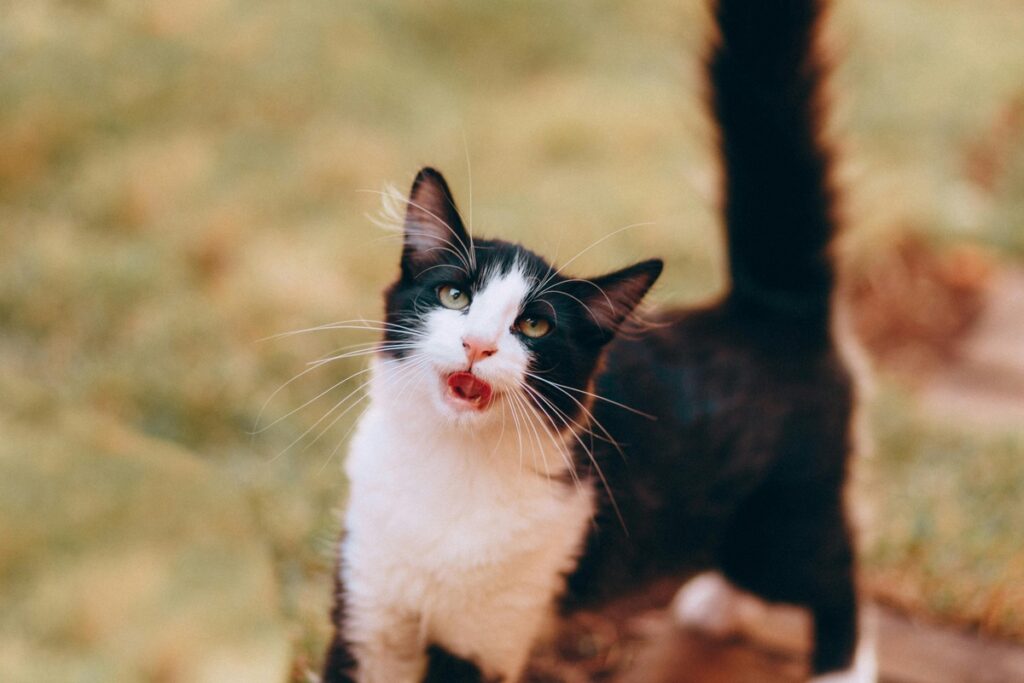
If your cat becomes anxious or tries to follow you whenever you go outside, they may be feeling lonely or curious about where you’re going.
Leaving interactive toys, treat puzzles, or a radio playing soft music can help keep them calm and distracted while you’re away.
13. Sudden Excessive Grooming

If your cat starts over-grooming, licking, or chewing excessively, it could be a sign of stress or anxiety. Some cats may groom themselves as a coping mechanism when they feel trapped, restless, or frustrated with their environment.
What to Do Instead: Provide more mental and physical stimulation, and offer safe outlets for energy. If the grooming persists or leads to bald patches, a visit to the vet might be needed to rule out health issues or discuss ways to reduce anxiety.
14. Escaping During Stressful Events
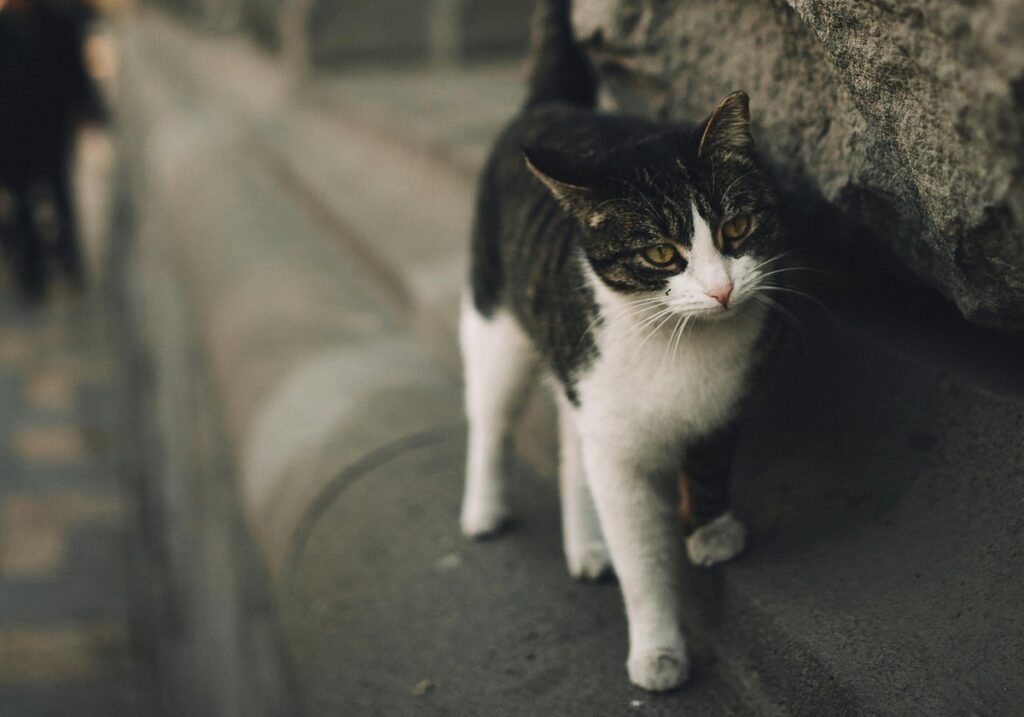
A cat that escapes when they’re stressed or overwhelmed, such as during a move, a loud noise, or when new people enter the house, may be seeking a sense of safety and escape from the chaos.
What to Do Instead: During stressful situations, provide a quiet and secure area for your cat to retreat to. Offering hiding spots and familiar scents will help them feel more secure during changes or events that could otherwise prompt them to flee.
How to Prevent Your Cat from Running Away
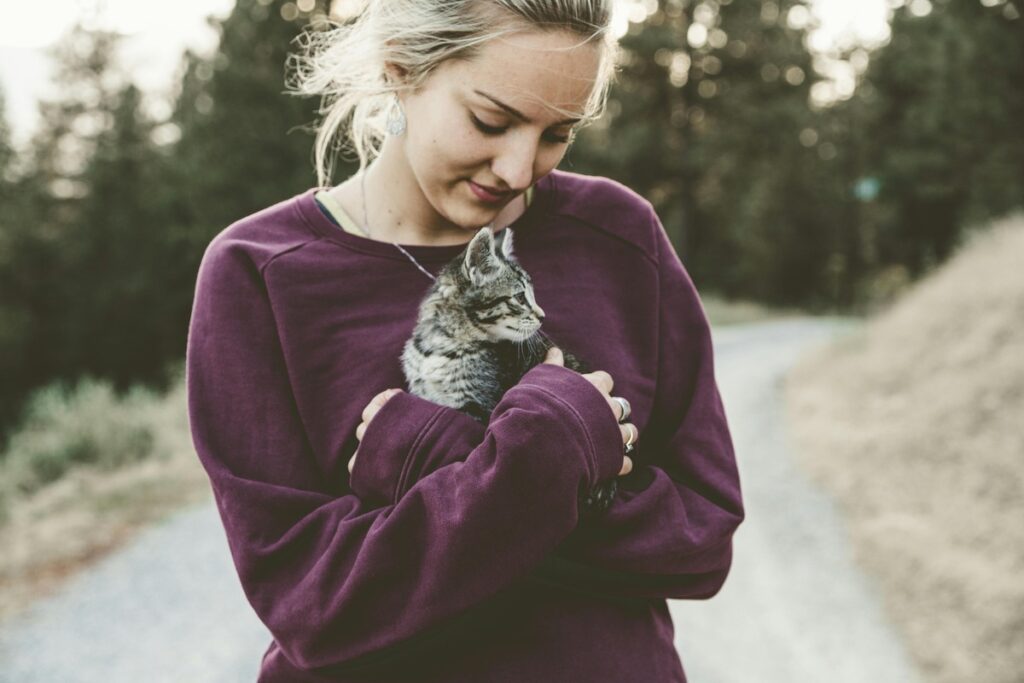
Preventing your cat from escaping starts with understanding their needs and instincts while making their indoor environment as fulfilling as possible. Providing plenty of mental and physical stimulation, such as cat trees, window perches, interactive toys, and climbing shelves, can help keep them entertained and reduce the urge to explore beyond the home. If your cat shows a strong desire to be outside, consider leash training or setting up a secure catio where they can safely experience fresh air without the dangers of the outdoors.
Keeping doors and windows secured with screens or deterrents, like motion-activated sprays or double-sided tape, can also prevent escape attempts. Maintaining a consistent routine with regular meals, play sessions, and attention can help reduce stress-related behaviors that may cause a cat to seek an escape route. Finally, ensuring your cat is microchipped and wearing a collar with ID tags increases the chances of a safe return should they ever manage to slip outside. By addressing their curiosity and energy needs in a controlled way, you can keep your cat happy, engaged, and safely at home.
Conclusion
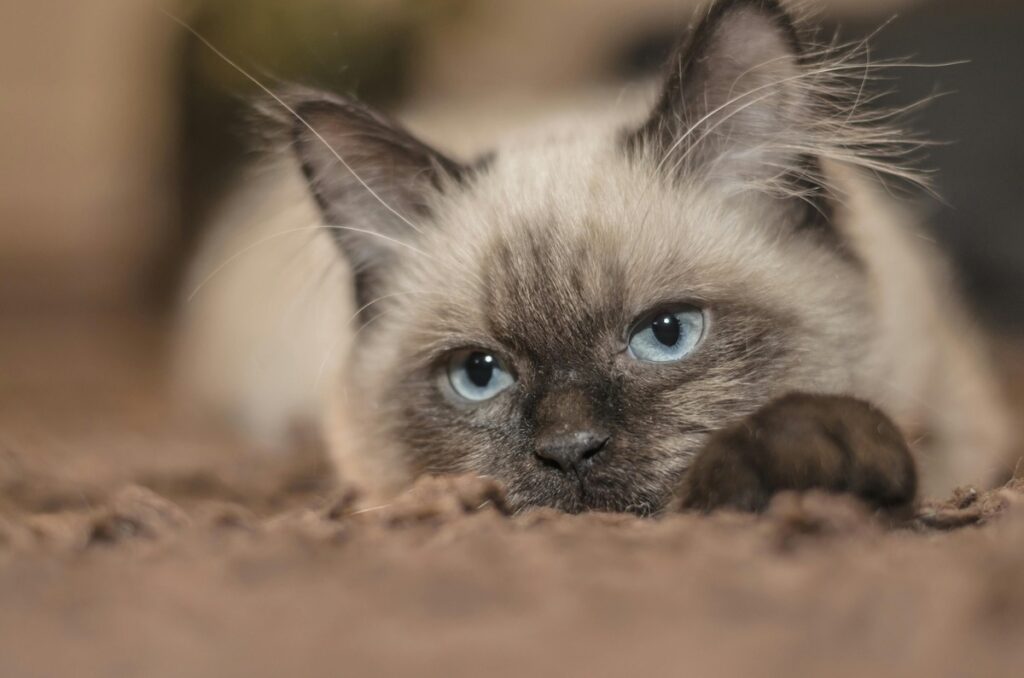
Some cats have a natural instinct to roam, while others try to escape due to boredom, anxiety, or curiosity. By recognizing the warning signs early, you can take preventative measures to keep them safe, happy, and content in their indoor environment.
With the right enrichment, routine, and security, you can ensure that your cat never feels the need to run away in search of something better—because their home is already the best place to be.